
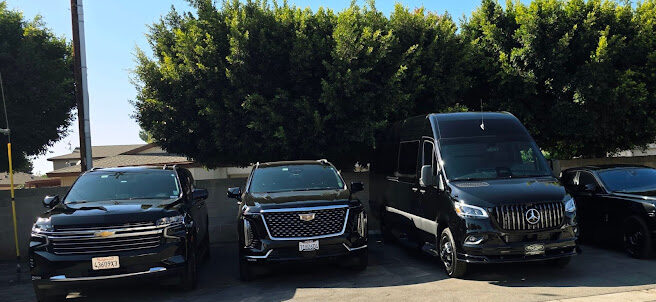
Good corporate event transportation planning is invisible to attendees: they arrive on time, rested and ready, and nobody remembers the commute. Getting there takes a clear headcount, the right mix of vehicles and a schedule everyone follows.
Event Passenger Counts
Start with registrations and expected arrival times. Group attendees by where they are coming from — airports, hotels or offices — and by when. Identify VIPs and speakers who should travel separately.
Multi-Vehicle Planning
Match vehicles to each group: premium SUVs for executives, Sprinters for teams of up to thirteen and mini coaches for larger waves. A single coordinator and run sheet keeps every chauffeur aligned.
- VIPs: premium SUVs or sedans
- Teams: executive Sprinters
- Large groups: 25- or 34-passenger mini coaches
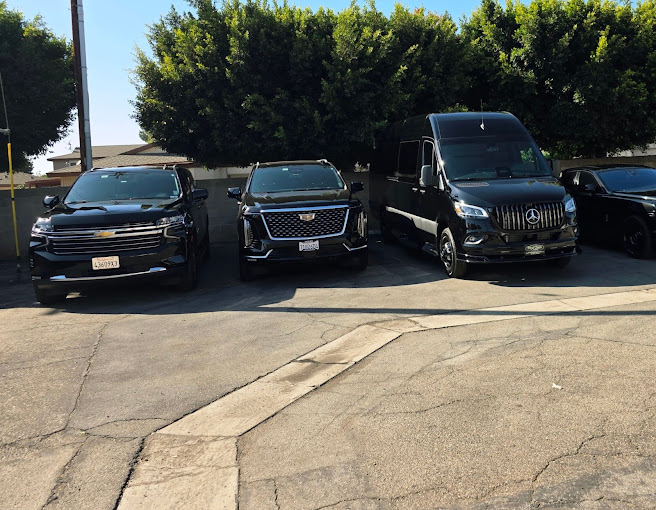
Pickup Schedules
Build pickups around the agenda: arrival waves tied to flights, loops between hotels and the venue, and departures after the final session. Leave buffer for Orange County traffic, especially around Irvine and Anaheim at rush hour. Visitor and venue information for Anaheim events is available from Visit Anaheim.
Account and Billing Questions
Settle billing early: who approves changes, how invoices are handled and who is the contact on the day. Our corporate event transportation team can build the plan, and group transportation covers one-time group moves. Ongoing executive travel is handled through corporate transportation.